THE WALLFLOWERS Alhambra, Parigi, Francia | 17 novembre 2026
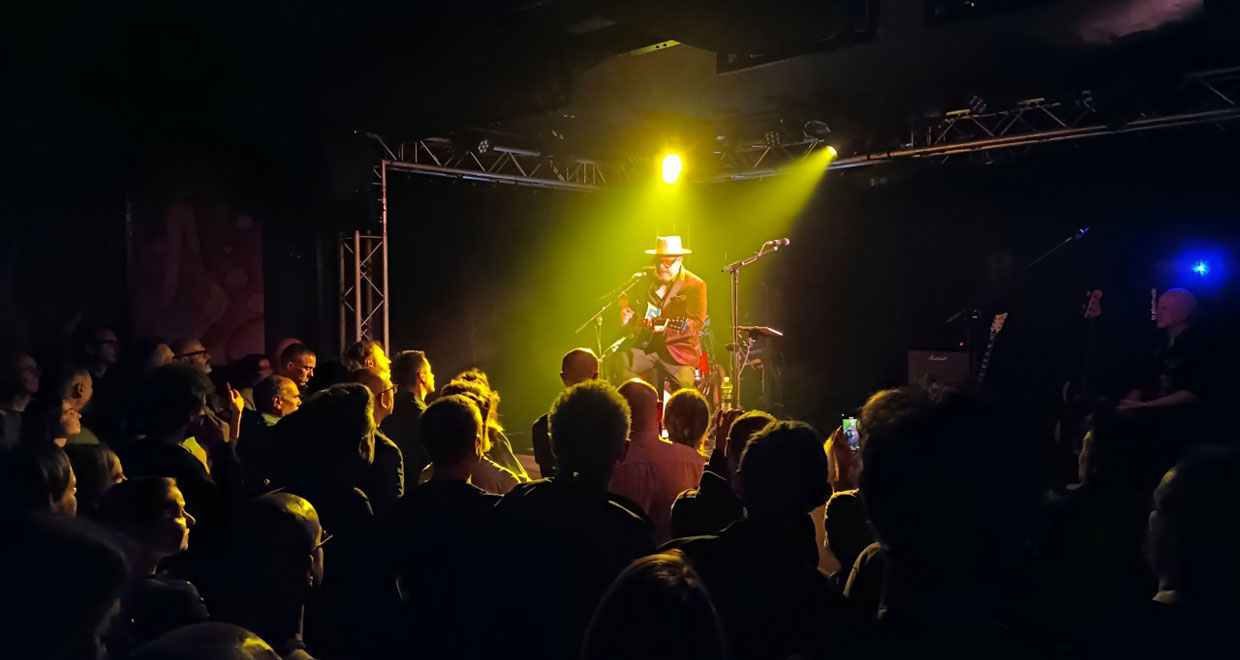
Portare il cognome Dylan significa confrontarsi con un’eredità pesante, eppure Jakob ha costruito negli anni un percorso autonomo, lontano dall’ombra del padre. La data all’Alhambra di Parigi ne è stata la conferma, grazie a una formula che ha unito due album e due momenti chiave del rock americano.
Per celebrare i trent’anni di “Bringing Down the Horse” (1996), loro lavoro più rappresentativo, i Wallflowers hanno scelto di affiancarlo a “Long After Dark” (1982), uno dei titoli più amati di Tom Petty & the Heartbreakers. Un accostamento riuscito, che ha dato alla scaletta una direzione precisa, legando due mondi musicali uniti dalla stessa sensibilità.
L’apertura con “One Headlight” ha messo subito le cose in chiaro: a distanza di tre decenni, il brano conserva una freschezza sorprendente e una scrittura che il tempo non ha scalfito. La canzone ha dettato il ritmo della prima metà dello show, interamente dedicata al disco del 1996. Sul palco, la voce di Jakob ricorda ancora oggi – inevitabilmente – quella paterna, soprattutto in certe timbriche basse e cavernose che dal vivo emergono con forza. Al di là dei tratti vocali, però, a colpire è la sua personalità. La cifra della sua esibizione è l’empatia: un modo naturale di rivolgersi alla sala e di vivere lo spettacolo come un momento di condivisione, prima ancora che come una performance. Il contrasto con le recenti apparizioni italiane di Bob Dylan — spesso criticato per la distanza dal pubblico — viene spontaneo. Non si tratta di stabilire chi abbia ragione, ma di osservare due modi opposti di stare in scena.
La seconda parte del live ha spostato il focus su “Long After Dark”. Riportare in scena un intero album di Tom Petty si è rivelata un’intuizione felice: nonostante il successo, Petty ha spesso ricevuto meno attenzione di quanto meritasse rispetto ad altri giganti del rock. I Wallflowers hanno rimesso al centro un capitolo fondamentale della sua discografia, evitando il rischio della semplice operazione nostalgia. A fare da filo conduttore tra le due anime dello show è stato proprio il tema del confronto con aspettative ingombranti: da una parte Jakob, riuscito nell’impresa di affermarsi senza rinnegare le proprie radici; dall’altra Petty, autore di un repertorio inconfondibile che ha sempre parlato attraverso la solidità delle canzoni. All’Alhambra nessuna celebrazione polverosa, dunque: solo una band in forma, un frontman presente e due grandi dischi suonati come si deve.
Carrying the surname Dylan means dealing with a heavy legacy, yet over the years Jakob has carved out an independent path, far from his father’s shadow. The show at the Alhambra in Paris was proof of that, built around a formula that brought together two albums and two key moments in American rock.
To celebrate the thirtieth anniversary of “Bringing Down the Horse” (1996), their most iconic record, the Wallflowers chose to pair it with “Long After Dark” (1982), one of the most beloved releases by Tom Petty & the Heartbreakers. It was a winning combination that gave the setlist a clear direction, connecting two musical worlds united by the same sensibility.
Opening with “One Headlight” immediately set the tone: three decades on, the track retains a surprising freshness and songwriting that time hasn’t dulled. The song drove the pace of the first half of the show, entirely dedicated to the 1996 album. On stage, Jakob’s voice still inevitably recalls his father’s, especially in those deep, cavernous tones that come through strongly live. Beyond the vocal traits, however, what stands out is his personality. The hallmark of his performance is empathy: a natural way of addressing the room and treating the concert as a shared experience rather than a mere show. The contrast with Bob Dylan’s recent Italian appearances—often criticized for his distance from the audience—comes naturally. It isn’t about deciding who is right, but simply observing two opposite ways of being on stage.
The second half of the set shifted focus to “Long After Dark”. Bringing an entire Tom Petty album back to the stage proved to be a great move: despite his success, Petty has often received less attention than he deserved compared to other rock giants. The Wallflowers put a crucial chapter of his discography back in the spotlight, avoiding the trap of a simple nostalgia trip. The common thread tying the two halves of the show together was the theme of facing weighty expectations: on one side Jakob, who managed to make his mark without denying his roots; on the other Petty, the author of an unmistakable catalog that has always spoken through the strength of its songs. At the Alhambra, then, there was no dusty celebration: just a band in great shape, an engaged frontman, and two great records played the way they should be.